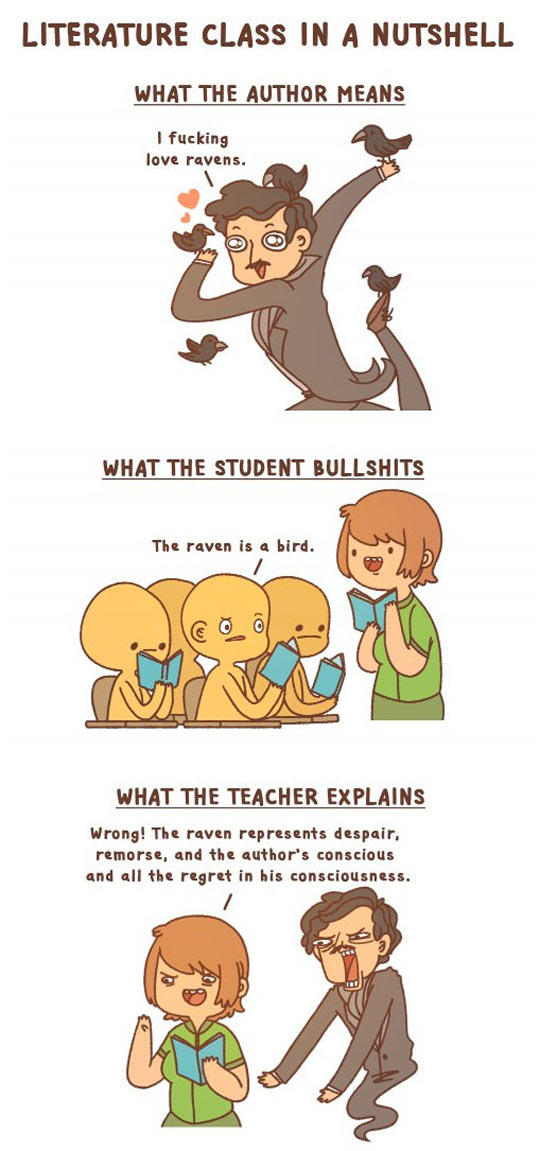
I want to teach like Tom Romano.
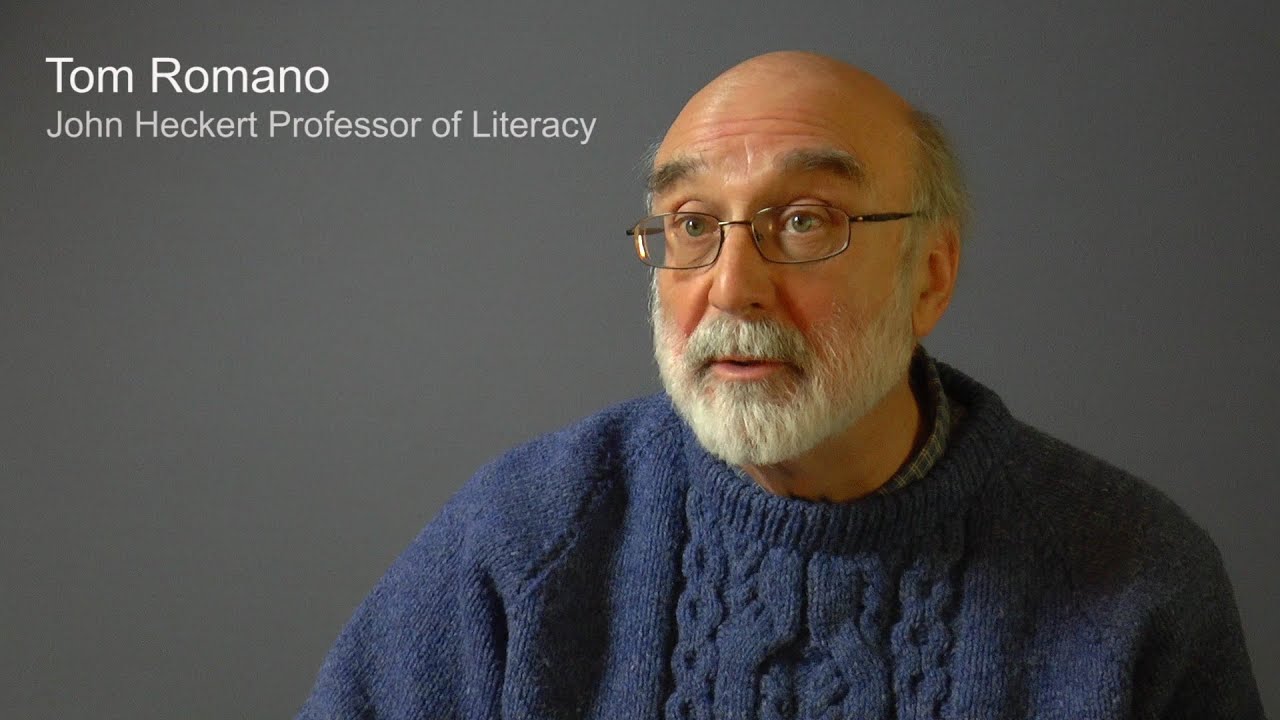 He talks a lot about the age-old formal essay and how "such repeated, narrow engagement in composition prevents students from developing open, flexible attitudes about writing." Mr. Romano uses essay questions on his test, but is very careful about the wording of his prompts. He wants the students to know that this will not be evaluated in the same fashion that a multi-draft piece would be, and that there is likely not a correct answer, he just wants to hear what they have to say.
Another best practice is having students do informal, spontaneous writing about what they've read. This way they have a chance to hash out what didn't make sense, and sort out their thoughts on what they've just read, to get out their initial impressions, and to hopefully find a personal connection with at least a part of what they've read.
"They discover that this isn't alien territory they're moving into. This is literature, and literature is life. Students are living the very stuff that literature is made from. When they realize this, their interest heightens.


